
Business

Celebrate Family and Legacy: Grandparents’ Day is Just Around the Corner!

Celebrate Family and Legacy: Grandparents’ Day is Just Around the Corner!

Table of Contents

The Importance of Grandparents’ Day

Grandparents’ Day falls on the first Sunday after Labor Day and serves as a reminder of the pivotal roles grandparents play in our lives. This day is more than just a celebration; it’s an opportunity to strengthen family ties and Celebrate Family and Legacy. According to the American Grandparents Association, engaging with grandparents promotes a sense of belonging in children.

Why It Matters

Understanding the significance of grandparents can shape family dynamics immensely. Here are some compelling reasons to celebrate:

  • Emotional Support: Grandparents often provide wisdom and guidance.
  • Family History: They are the bearers of family stories and history.
  • Bonding Time: The relationship between grandparents and grandchildren is unique and enriching.

How to Celebrate Grandparents’ Day

Planning a celebration for Grandparents’ Day can be both fun and heartfelt. Here are some tips:

  • Family Gatherings: Organize a family reunion to honor grandparents.
  • Special Outings: Take them to places they love, like parks or museums.
  • Homemade Meals: Cook their favorite dishes together.

Creative Activities for Families

Engaging in activities together is a fantastic way to bond with grandparents. Here are some ideas:

  • Arts and Crafts: Plan a craft day using simple materials to create gifts or mementos.
  • Gardening: Spend time in the garden planting flowers or vegetables.
  • Storytime: Encourage grandparents to share their favorite stories from childhood.
  • Photo Albums: Create or update family photo albums together.

Gift Ideas to Honor Grandparents

Gifts can be a tangible way to express appreciation. Here are some thoughtful ideas:

  • Personalized Gifts: Custom-made items such as photo frames or engraved jewelry.
  • Experience Gifts: Tickets to shows, concerts, or other events.
  • Subscription Services: Monthly subscriptions tailored to their interests, like books or gourmet foods.
  • Handwritten Letters: Encourage grandchildren to write heartfelt letters expressing their love.

Sharing Family History and Legacy

Grandparents often have valuable stories and experiences that contribute to family tradition. This year, make it a priority to document their life stories:

  • Interviews: Set aside time to conduct interviews and capture their life stories on video or audio.
  • Recipe Book: Collect family recipes and create a personalized cookbook.
  • Legacy Journals: Encourage grandparents to keep a journal of their memories and life lessons.

Involving Everyone: Generational Activities

Make Grandparents’ Day inclusive by involving multiple generations:

  • Family Trivia: Organize a trivia game featuring questions about family history.
  • Outdoor Games: Play games like bocce ball or croquet that involve all ages.
  • Craft Projects: Create something meaningful together, like a family tree.

Technology and Grandparents: Bridging the Gap

Grandparents’ Day is Coming: Celebrate Family and Legacy might mean a modern twist. Utilize technology to stay connected:

  • Video Calls: Schedule regular chats using platforms like Zoom or Skype.
  • Photo Sharing: Use apps to share photos instantly with family members.
  • Online Photo Albums: Create digital albums on platforms such as Flickr.

Celebrating Grandparents’ Day Across Cultures

Different cultures have unique ways to recognize grandparents. Here are a few examples:

  • China: The Double Ninth Festival honors elders by climbing mountains and eating cakes.
  • Mexico: Día del Abuelo is celebrated with festivities and family meals.
  • Italy: Grandparents’ Day is celebrated with special church services and gatherings.

Conclusion: Making Memories Last

Ultimately, the goal of Grandparents’ Day is to foster connections and create lasting memories. This day serves to Celebrate Family and Legacy, ensuring that the wisdom and stories of grandparents are cherished for generations to come. Whether through shared experiences, heartfelt gifts, or technology, there’s no limit to how families can appreciate their elders.

Business

Prepare Your Business for Success This Fall: Essential Tips for the New Season

Prepare Your Business for Success This Fall: Essential Tips for the New Season

Table of Contents

Understanding Seasonal Business Trends

As the leaves begin to change and the air cools, businesses find themselves faced with a unique set of challenges and opportunities during the fall months. Fall Business Prep: Ready for the New Season starts with understanding these trends to align your strategy accordingly.

  • Retail Trend Analysis: Expect an uptick in shopping behavior as major holidays like Halloween and Thanksgiving approach.
  • Consumer Behavior Insights: Consumers tend to favor cozy, comfort-oriented products in anticipation of colder weather.
  • Competitive Analysis: Analyze your competitors and adjust to meet market demands effectively. Look to resources like Nielsen for comprehensive insights.
  • Online Sales Surge: The fall season marks a significant increase in online shopping. Adapt your digital presence accordingly.

Revamping Your Marketing Strategy

With the changing season, it’s time to refresh your marketing efforts to attract and retain customers. The journey of Fall Business Prep: Ready for the New Season emphasizes the importance of an updated marketing strategy.

Seasonal Promotions

Introduce special promotions that target autumn themes. Ideas include:

  • Halloween discounts on thematic merchandise.
  • Thanksgiving package deals or promotions for local businesses.
  • Social media contests to engage customers in fall-related activities.

Content Marketing Focus

Optimizing your content for the fall will ensure you capture audience interest:

  • Write blog posts about seasonal tips or product uses.
  • Utilize holiday-themed imagery in social media campaigns.
  • Gather feedback and showcase reviews from last fall’s customers.

Search Engine Optimization (SEO)

As digital visibility is crucial, ensure that your website is optimized for keywords reflective of the fall season. Incorporate topics like:

  • “Autumn Collection”
  • “Halloween Specials”
  • “Thanksgiving Sales”

Inventory Management and Supply Chain Prep

Preparing for supply and demand fluctuations can significantly impact your bottom line. Proper inventory management is an essential part of Fall Business Prep: Ready for the New Season.

Stock Up on Seasonal Products

Forecast your inventory needs based on previous years’ sales data. Make sure to:

  • Monitor inventory levels to avoid overstock or stockouts.
  • Conduct a vendor analysis to ensure timely deliveries.
  • Consider diversifying suppliers to mitigate risks.

Clearance of Last Season’s Stock

Implement clearance strategies for leftover summer products. Techniques include:

  • Discounting seasonal items heavily.
  • Bundling with new products for added value.
  • Promoting flash sales to drive quick sales.

Engaging Your Employees

A motivated team is crucial for success as the season changes. Engage your employees to create a positive workplace culture that supports your Fall Business Prep: Ready for the New Season efforts.

Training and Development

Enhance employee skills with relevant training. Focus on:

  • Sales techniques tailored for the fall season.
  • Customer service excellence workshops.
  • Product knowledge sessions about seasonal items.

Team Building Activities

Foster a sense of community among staff. Host activities such as:

  • Fall-themed outings or events.
  • Recognition programs for performance improvements.
  • Friendly competitions to boost morale and productivity.

Financial Planning for the Autumn Season

Financial stability during the fall season is vital. Allocate resources wisely and ensure you’re well-prepared to handle increased demands.

Budget Reallocation

Reassess budgets to align with the fall season. Areas of focus should include:

  • Increased marketing budgets for promotional campaigns.
  • Investment in staff training and development.
  • Adjusting inventory purchasing budgets based on predictions.

Cash Flow Projections

Creating precise cash flow forecasts will help mitigate potential financial stress. Consider:

  • Seasonal demand cycles for accurate projections.
  • Identifying potential slow periods following the holiday rush.
  • Establishing reserve funds for unexpected expenses.

Leveraging Technology and Digital Tools

As the fall season approaches, utilizing technology can streamline processes and enhance productivity. The reliance on digital tools is a pivotal aspect of Fall Business Prep: Ready for the New Season.

Implementing New Software

Explore software solutions to manage various aspects of your business efficiently. Consider:

  • Project management tools to track seasonal initiatives.
  • Inventory management software to optimize stock levels.
  • Customer relationship management (CRM) systems to maintain customer engagements.

Utilizing Data Analytics

Data analytics can provide insights into consumer behavior trends. Be sure to:

  • Analyze previous fall performance metrics to strategize for this season.
  • Conduct A/B testing on marketing campaigns.
  • Utilize heat mapping tools to understand website user interactions.

Community Engagement and Local Marketing

Engaging with your local community can create a loyal customer base. As part of Fall Business Prep: Ready for the New Season, focus on local marketing strategies.

Building Local Partnerships

Collaborate with other businesses and organizations to build a stronger community. Strategies include:

  • Cross-promoting products with local vendors.
  • Participating in community events or fairs.
  • Co-hosting workshops that promote both businesses’ interests.

Supporting Local Causes

Demonstrating corporate social responsibility can enhance your brand image. Consider:

  • Donating a portion of sales to local charities or community projects.
  • Organizing volunteer days for your employees.
  • Launching campaigns that promote supporting local businesses.

Reflecting on Past Seasons to Improve Future Strategies

Utilizing insights from previous fall seasons can greatly influence your success. As you engage in Fall Business Prep: Ready for the New Season, make reflection a crucial aspect of your strategy.

Gathering Customer Feedback

Engage with customers to learn from their experiences. Implement the following steps:

  • Conduct surveys to collect insights on products and services.
  • Encourage reviews and testimonials to understand perceptions.
  • Create channels for direct feedback to inform future offerings.

Analyzing Sales Data

Review sales figures from previous seasons to identify patterns. Key aspects include:

  • Highlighting best-selling products and categories.
  • Identifying any missteps or areas of concern.
  • Adjusting pricing strategies based on historical performance.

Improving Operational Efficiencies

Assess and refine your operational strategies to better serve customers. Focus on:

  • Streamlining processes that lead to bottlenecks.
  • Enhancing supply chain effectiveness for quicker deliveries.
  • Training staff based on lessons learned to improve overall customer experience.
Business

Celebrating Labor Day: Reflecting on Hard Work and Special Promotions

Celebrating Labor Day: Reflecting on Hard Work and Special Promotions

Table of Contents

History of Labor Day

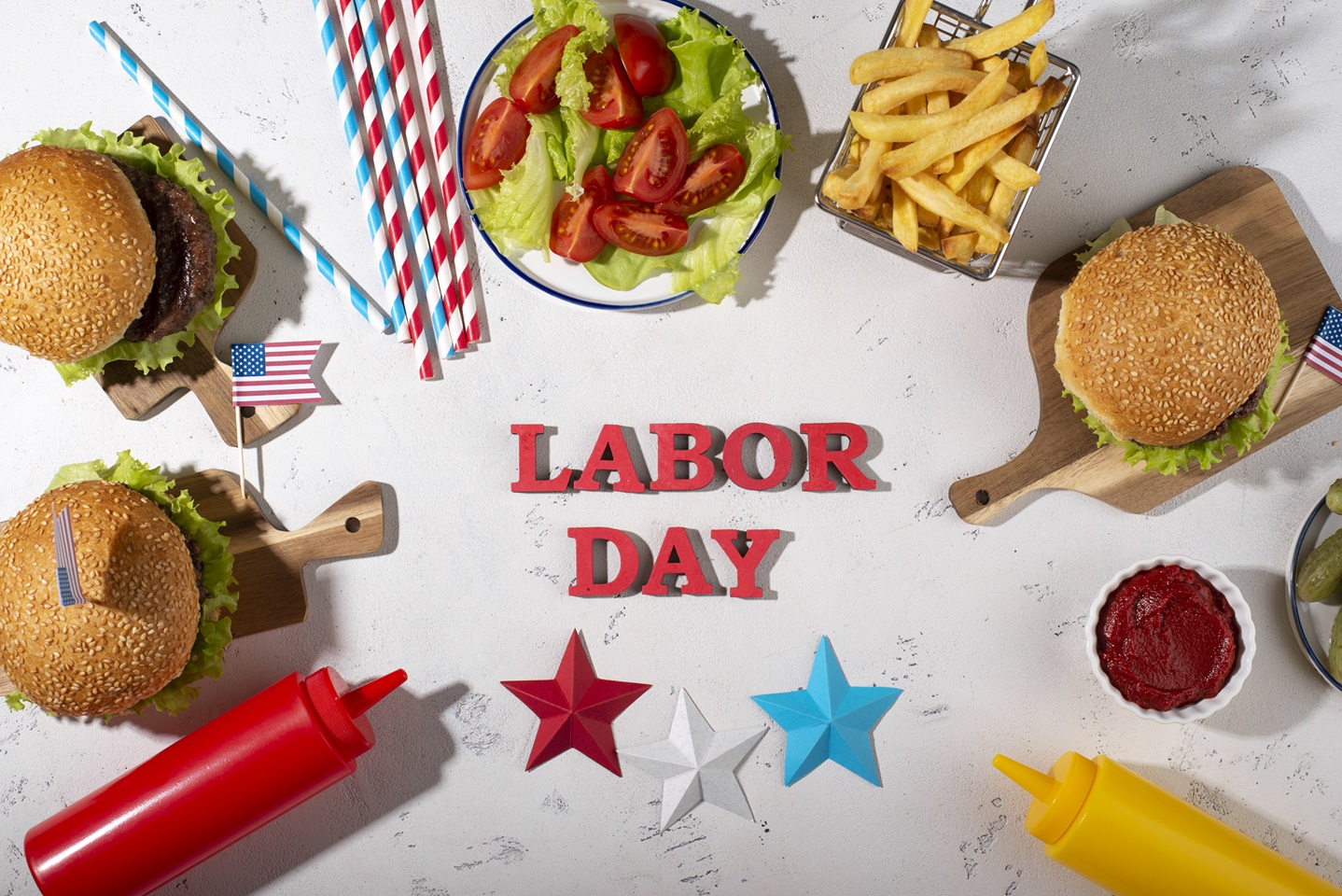
Labor Day, observed on the first Monday of September, is a celebration of the American labor movement and the contributions that workers have made to the strength, prosperity, and well-being of the country. The origins of Labor Day date back to the late 19th century when the labor movement was gaining momentum. Here are some key historical points:

  • 1882: The first-ever Labor Day parade took place in New York City to honor workers.
  • 1894: President Grover Cleveland made Labor Day a federal holiday in response to the Pullman Strike and the unrest surrounding it.
  • Modern Celebrations: Today, Labor Day is observed with parades, barbecues, and various public events, emphasizing solidarity and workers’ rights.

The Significance of Labor Day

Labor Day holds great significance in recognizing the achievements of laborers across various sectors. It is not just a day off but a moment to reflect on:

  • The Value of Hard Work: Acknowledging the efforts and sacrifices made by workers to build a better society.
  • Workers’ Rights: Celebrating the labor movement’s triumphs in securing fair wages, benefits, and safe working conditions.
  • Cultural Legacy: Understanding how diverse labor backgrounds contribute to the cultural fabric of the nation.

Honoring Hard Work: Labor Day Reflections

Labor Day is not solely about enjoying a long weekend; it is also a time for Honoring Hard Work: Labor Day Reflections. Here are some ways to appreciate and acknowledge hard work:

  • Personal Reflection: Take time to evaluate your career path and consider the efforts and milestones achieved.
  • Recognizing Peers: Celebrate the contributions of colleagues and workers in your community through shoutouts and appreciation events.
  • Sharing Stories: Use social media to share stories that highlight labor achievements and the importance of work-life balance.

Special Promotions for Labor Day

Retailers and businesses capitalize on the Labor Day holiday through various promotions and sales. Here are some effective promotional strategies:

  • Site-wide Discounts: Implement a percentage off on all products, encouraging broader selections.
  • Buy One, Get One Free Offers: Promote this on best-selling items to increase sales volume.
  • Seasonal Products: Offer discounts on summer items as the season transitions, clearing out inventory.
  • Loyalty Rewards: Encourage returning customers by providing bonus points or additional rewards for purchases made during the holiday.

Examples of Successful Promotions

Many brands have effectively leveraged the Labor Day holiday for special promotions. Here are some notable examples:

  • Home Improvement Stores: Offering discounts up to 30% on tools and home improvement supplies.
  • Clothing Retailers: Seasonal clearances with additional markdowns on summer apparel.
  • Travel Discounts: Airlines and hotels providing exclusive package deals for last-minute summer getaways.

Tips for Marketing Labor Day Promotions

To effectively promote Labor Day engagements, businesses should consider the following strategies:

  • Targeted Email Campaigns: Send newsletters outlining promotions to your subscriber list ahead of Labor Day weekend.
  • Social Media Engagement: Create buzz around promotions through interactive posts, stories, and countdowns.
  • Content Marketing: Publish blog posts or videos discussing the significance of Labor Day paired with your promotions.
  • Utilizing Influencers: Partner with influencers who can share your promotions with their follower base.

Utilizing SEO for Labor Day Promotions

Boosting visibility for your Labor Day promotions can be achieved through effective SEO tactics:

  • Keyword Optimization: Use keywords like Honoring Hard Work: Labor Day Reflections and Promotions throughout your website and social media platforms.
  • Landing Pages: Create dedicated landing pages highlighting Labor Day offers to improve search rankings.
  • Schemas and Markup: Use structured data to help search engines better understand and display your promotional content.
Business

Mastering Labor Day Sales: A Comprehensive Guide to Planning Your Strategy

Table of Contents

Understanding Labor Day Sales

Labor Day is more than just a long weekend; it’s a pivotal retail event. Taking place on the first Monday in September, it serves as a significant opportunity for businesses to boost sales as summer transitions into fall. Understanding the nature of Labor Day sales is crucial for any marketing strategy.

Key Aspects:

  • Seasonal Shift: Customers are preparing for back-to-school and autumn essentials.
  • Competitive Landscape: Many businesses participate, making it critical to stand out.
  • Consumer Mindset: Shoppers look for value, deals, and discounts.

Setting Your Objectives

A well-defined sales goal is the cornerstone of a successful Labor Day campaign. Your objectives should be SMART: Specific, Measurable, Achievable, Relevant, and Time-bound.

Examples of Objectives:

  • Increase sales by 20% compared to last Labor Day.
  • Acquire 500 new customers through online promotions.
  • Boost website traffic by 30% during the Labor Day sales period.

Identifying Your Target Audience

Understanding who your customers are will help refine your marketing efforts. Conduct market research to identify demographics, interests, and shopping behaviors.

Factors to Consider:

  • Ages: Focus on demographics that are more likely to shop during this period.
  • Interests: Consider lifestyle or hobbies that tie into your products.
  • Shopping Behavior: Are they bargain hunters, brand loyalists, or seasonal shoppers?

Product Selection and Pricing Strategies

Deciding on the right products and their pricing is pivotal for attracting customers during Labor Day.

Product Selection Tips:

  • Focus on seasonal items such as home goods, clothing, and outdoor gear.
  • Bundle products together for greater perceived value.
  • Consider exclusive launches or limited-time offers to create urgency.

Pricing Strategy:

  • Offer discounts or create tiered pricing options.
  • Implement ‘Buy One Get One’ (BOGO) strategies for slow-moving items.
  • Utilize price anchoring to showcase discounts effectively.

Timing Your Sales

An effective Labor Day sale requires precise timing. The countdown to Labor Day can build anticipation and engage consumers.

Suggestions for Timing:

  • Begin your preparations at least 6-8 weeks in advance.
  • Launch sneak peeks of your sales on social media.
  • Capitalize on last-minute shoppers by extending promotions through the weekend.

Choosing the Right Promotional Strategies

Choose promotions that resonate with your target audience and align with your sales objectives.

Effective Strategies Include:

  • Utilizing email marketing campaigns with enticing subject lines.
  • Offering loyalty program rewards for frequent shoppers.
  • Engaging content marketing that highlights product benefits.

Marketing Channels to Leverage

A multi-channel approach can amplify your Labor Day efforts. Here are some channels worth considering:

Channels to Utilize:

  • Social Media: Use platforms like Facebook, Instagram, and Twitter for ads and organic posts.
  • Paid Advertising: Invest in Google Ads and Social Media Ads focused on Labor Day keywords.
  • Influencer Collaborations: Partner with influencers who can authenticate your products to their audience.

Measuring Your Success

Post-sale analysis is crucial to understand what worked and what didn’t. Key performance indicators (KPIs) can guide your future marketing efforts.

KPIs to Monitor:

  • Total Revenue generated during the campaign.
  • Conversion rates compared to previous periods.
  • Customer acquisition and retention rates.

Tools for Measurement:

  • Google Analytics for website traffic and user behavior.
  • Email marketing software for open and click-through rates.
  • Social media analytics tools for engagement and reach.

Final Thoughts

Preparing for Labor Day sales requires a comprehensive strategy. From understanding consumer behavior to setting clear objectives and selecting the right marketing channels, every step is integral. For those keen on making the most of this holiday, remember to keep the Labor Day Countdown: Plan Your Sales Strategy front and center. Each decision should pivot around maximizing customer engagement and sales opportunities, ultimately solidifying your brand’s presence during this crucial retail moment. For further insights into retail strategies during holidays, you can check out resources such as Retail Minded and Shopify’s Marketing Guide.

Business

Elevate Your Brand Awareness This Fall: Essential Marketing Strategies for Early Season Success

Table of Contents

Understanding the Impact of Fall Marketing

Fall is a transformative season bursting with opportunities for brands to engage with customers in meaningful ways. As the days grow shorter and the weather cooler, consumers enter a mindset of renewal and readiness, making the fall an ideal time to implement targeted marketing strategies. This period is not just about Thanksgiving and Halloween; it is also a time filled with events, back-to-school sales, and a desire for comfort and warmth.

Consumer Behavior Shifts

During the fall, consumer behaviors shift, leading to:

  • Increased spending: Many consumers start to prepare for the holidays.
  • Home-oriented purchases: Interest in home decor and cozy products increases.
  • Seasonal events: Engagement in fall-specific activities, such as pumpkin picking and football games.

Boost Your Brand Visibility: Tips for Early Fall Marketing

Understanding how to navigate these changes can significantly elevate your brand’s reach and visibility.

Creating Seasonal Campaigns

Seasonal campaigns can effectively tap into the fall spirit, making your brand more relatable and appealing. Key strategies include:

  • Theme-based promotions: Align your products or services with fall themes.
  • Exclusive offers: Offer discounts or bundles tailored for the season.
  • Holiday tie-ins: Create campaigns linked to specific fall holidays.

Consider creating a theme that resonates with your audience. Whether it’s “Autumn Comfort” or “Harvest Savings,” ensure your message aligns with consumer sentiment during this season.

Leveraging Social Media for Greater Reach

Social media is an integral part of any marketing strategy, and its importance grows in the fall. Brands can utilize various platforms for enhanced visibility:

  • Visual content: Share vibrant autumn imagery that captures attention.
  • User-generated content: Encourage customers to share their experiences with your products.
  • Seasonal hashtags: Use popular fall hashtags to extend your reach.

Invest in social media ads targeting your specific audience, taking advantage of the seasonal interests driving traffic during this time.

Optimizing Email Marketing Strategies

Email marketing continues to be a powerful tool for reaching customers directly. Optimize your strategy for the season by incorporating:

  • Fall-themed newsletters: Share tips, promotions, and seasonal content.
  • Personalization: Use customer data to tailor offers and messages.
  • Clear CTAs: Encourage immediate responses with compelling calls to action.

Utilizing engaging subject lines that evoke the essence of fall can significantly improve open rates. Consider A/B testing to find the optimal message for your audience.

Harnessing Collaborations and Partnerships

Collaborating with other brands can provide both parties access to new audiences. When considering partnerships, think about:

  • Local businesses: Engage with community partners for cross-promotions.
  • Influencer marketing: Leverage influencers to broaden your message.
  • Co-branded products: Develop limited edition offerings that emphasize both brands.

Partnering for events, giveaways, or virtual collaboration can not only enhance engagement but also show your brand’s commitment to community and collaboration.

Content Marketing for the Fall Season

Content marketing allows brands to share valuable information while also subtly promoting products and services. Strategies for fall content marketing include:

  • How-to guides: Create content related to fall themes such as recipes or home decoration.
  • Engaging blogs: Write articles focusing on fall trends in your industry.
  • Infographics: Use visually appealing data presentations related to seasonal statistics.

High-quality content will not only promote your brand but can also improve your SEO rankings. Incorporating the keywords “Boost Your Brand Visibility: Tips for Early Fall Marketing” within your articles will help improve traffic and engagement.

Local Marketing Strategies to Boost Visibility

As the fall season kicks in, local marketing strategies can enhance your brand’s presence in your community. Focus on:

  • Community events: Participate in or sponsor local festivals and fairs.
  • Localized SEO: Optimize your online presence for local searches.
  • Geo-targeted ads: Use ads that target customers in your vicinity.

Being visible in local settings strengthens community relationships, leading to long-term customer loyalty.

Measuring Success and Analyzing Results

To understand the effectiveness of your fall marketing strategies, measurement and analysis are essential. Key performance indicators (KPIs) to monitor include:

  • Engagement rates: Monitor interaction with your social media posts and ads.
  • Sales data: Analyze sales trends and identify periods of high activity.
  • Email metrics: Track open and click-through rates on campaigns.

Utilizing analytical tools can provide insights into consumer behavior, helping you refine your strategies for continued success. Tools like Google Analytics and SEMrush can offer comprehensive views of your marketing efforts.

Business

Maximizing Your Q4: Essential Fall Planning Strategies for Success

Table of Contents

Understanding Q4: The Importance of Fall Planning

The fourth quarter (Q4) is a critical time for businesses, marking the conclusion of the fiscal year. As Fall Planning Starts Now: Setting Up for Q4 Success becomes increasingly relevant, understanding how to maximize opportunities during this period can set the tone for the next year.

The Q4 Landscape

  • Holiday shopping increases consumer spending.
  • Businesses often see a surge in sales, particularly in retail and e-commerce.
  • Strategic planning now can lead to a successful start for the new year.

Review Your Year: Lessons Learned

Before jumping into Q4 planning, it’s essential to reflect on the past year. Understanding what worked and what didn’t is critical for effective strategy formation.

Conduct a SWOT Analysis

Performing a SWOT (Strengths, Weaknesses, Opportunities, Threats) analysis allows you to gain insights into your business’s current position.

  • Strengths: Identify what you excel at.
  • Weaknesses: Acknowledge areas needing improvement.
  • Opportunities: Pinpoint market trends you can leverage.
  • Threats: Recognize external factors that could impact performance.

Set Clear Goals for Q4

As part of your fall planning, setting clear, measurable goals is essential. These goals should align with your overall business objectives.

Utilize the SMART Criteria

Ensure your Q4 goals are Specific, Measurable, Achievable, Relevant, and Time-bound (SMART):

  • Specific: Make your goals clear (e.g., increase sales by 20%).
  • Measurable: Establish quantifiable metrics for success.
  • Achievable: Set realistic targets based on past data.
  • Relevant: Align with broader company objectives.
  • Time-bound: Define deadlines for each goal.

Budgeting for Fall Success

Effective budgeting is crucial for Q4 success. In your fall planning, allocate resources wisely to optimize your operations and marketing initiatives.

Reevaluate Your Budget

Take stock of your current budget and identify areas for adjustment based on your Q4 objectives. Consider these key elements:

  • Marketing: Allocate funds for promotional efforts and advertising.
  • Operational Costs: Account for inventory and staffing increases.
  • Technology Investments: Invest in software and tools that enhance efficiency.

Marketing Strategies to Implement

Q4 provides numerous opportunities for marketing campaigns. Leverage the season’s unique characteristics to maximize engagement and conversions.

Create Targeted Campaigns

Focus on personalized marketing approaches that resonate with your audience. Consider:

  • Seasonal Promotions: Offer discounts and offers geared towards the fall and holiday seasons.
  • Content Marketing: Create blog posts, videos, and emails that provide value.
  • Social Media Engagement: Increase your presence on platforms where your audience is most active.

Leveraging Holidays for Maximum Impact

The holidays are a significant driver of consumer spending. Strategically planning around these periods can yield substantial benefits.

Holiday Campaigns to Consider

  • Black Friday/Cyber Monday: Pre-launch campaigns to build anticipation.
  • Thanksgiving: Create gratitude-themed marketing that resonates emotionally.
  • New Year’s: Emphasize “New Year, New You” themes for product promotions.

Training and Development: Getting Your Team Ready

Your team’s preparedness can significantly influence your Q4 outcomes. Invest in training to ensure everyone is aligned with your goals.

Implement Training Programs

  • Sales Training: Equip your team with the skills needed for increased customer interactions.
  • Product Knowledge: Ensure all staff are well-informed about products and services.
  • Customer Service Training: Focus on creating exceptional customer experiences.

Enhancing Customer Engagement

Engaged customers are more likely to make purchases and become loyal advocates for your brand. A successful Q4 will depend on your strategies to strengthen these relationships.

Utilize Customer Feedback

Incorporate feedback into your planning and operational processes. Consider:

  • Surveys: Gather insights on customer preferences and shopping habits.
  • Engagement Metrics: Track your social media and web engagement for adjustments.

Technology and Tools to Optimize Your Q4

Investing in technology can streamline operations and enhance customer interactions. Implementing the right tools can greatly improve efficiency.

Essential Tools for Fall Planning

  • CRM Software: Maintain and track customer relationships easily.
  • Email Marketing Platforms: Automate your email campaigns for better targeting.
  • Analytics Tools: Monitor performance metrics to make data-driven decisions.

Performance Measurement: Analyzing Your Results

Finally, establishing performance metrics and KPIs (Key Performance Indicators) is crucial. These indicators provide insights into the effectiveness of your fall planning strategies.

Key Metrics to Track

  • Sales Growth: Analyze year-over-year sales increases.
  • Customer Acquisition Costs: Assess how much you spend on acquiring new customers.
  • Conversion Rates: Determine the effectiveness of your marketing strategies.

Final Thoughts on Q4 Success

As you prepare for Q4, remember that Fall Planning Starts Now: Setting Up for Q4 Success is about leveraging the right strategies, insights, and tools. The culmination of your efforts during this period can significantly impact your business, setting you up for a prosperous new year.

Business

Maximize Your Profits: Top Strategies for Late-Summer Sales Success

Table of Contents

Understanding Late-Summer Sales

Late summer is a unique time for businesses, characterized by shifting consumer behavior as summer vacations wind down and back-to-school season begins. This presents an opportunity for a Late-Summer Sales Push: Maximize Your End-of-Season Profits. Understanding the consumer mindset during this period is crucial.

  • Consumers are often in a buying mood, seeking good deals.
  • There’s a surge in demand for seasonal merchandise.
  • Customers can be influenced by back-to-school promotions.

Understanding these factors can help adjust your marketing strategies accordingly to capture consumer interest effectively.

Identifying Your Target Audience

Knowing your audience is key in any marketing endeavor. During late summer, distinguish between segments such as:

  • Parents and Students: They are preparing for school and are likely to purchase supplies and clothing.
  • Vacationers: Offering products related to travel can attract a different customer base.
  • Seasonal Shoppers: These consumers may be interested in end-of-season clearances on summer items.

Use tools like Google Analytics to analyze visiting patterns and preferences of your website’s audience.

Creating Appealing Offers

Creating enticing offers can significantly boost your sales. Consider the following strategies:

  • Clearance Sales: Sell unsold summer inventory at discounted rates to make room for fall products.
  • Bundles and Packages: Offer value packs combining various products for a single lower price.
  • Loyalty Rewards: Encourage repeat purchases through a loyalty program offering exclusive deals.

Make sure your offers are relevant to the audience segments you’ve identified.

Leveraging Email Marketing

Email marketing is one of the most effective tools to drive your Late-Summer Sales Push: Maximize Your End-of-Season Profits.

  • Segmentation: Segment your email list based on previous purchases to send tailored promotions.
  • Personalization: Use personalized subject lines and content to increase open and click rates.
  • Countdown Timers: Create urgency by including countdown timers for limited-time offers.

Utilizing platforms like Mailchimp can enhance your email campaigns and ensure they reach a broader audience.

Social Media Strategies

Social media platforms can act as powerful promotional tools. Here’s how to capitalize on them:

  • Seasonal Content: Create content that reflects summer fun, tying it back to your offerings.
  • Influencer Collaborations: Partner with influencers to promote your products directly to their followers.
  • Engagement Campaigns: Initiate contests, giveaways, or polls to keep customers engaged and involved.

Utilize platforms like Facebook and Instagram to present your offers in creative ways.

Collaborations and Cross-Promotions

Join forces with complementary businesses to expand your audience reach.

  • Product Bundling: Collaborate with other businesses to offer bundled deals that attract new customers.
  • Cross-Promotional Offers: Promote each other’s products within your marketing channels.
  • Joint Events: Host events together, drawing each other’s customer bases.

Such alliances can provide your customers with more value, enhancing their experience.

Optimizing Your Online Store

Your online store is your digital storefront, so it must be appealing and easy to navigate.

  • Seasonal Themes: Update your website’s design to reflect summer and back-to-school themes.
  • Mobile Optimization: Ensure your site is mobile-friendly, as many consumers shop on their phones.
  • Easy Checkout Process: Simplify the checkout process to reduce cart abandonment rates.

Resources like Shopify can help optimize your online store and enhance user experience.

Utilizing Analytics

Monitoring your sales data is crucial in making informed decisions.

  • Sales Tracking: Use tools to track sales performance during this period.
  • Customer Behavior: Analyzing purchasing behaviors can give insights into future trends.
  • Competitor Analysis: Keep an eye on competitor strategies to refine your approach.

Utilize platforms like Hootsuite or Google Analytics for comprehensive analytics.

By implementing these strategies, you can maximize your profits and ensure a successful Late-Summer Sales Push: Maximize Your End-of-Season Profits while setting the stage for the upcoming seasons.

Business

Back-to-School Bonanza: Exciting Events and Resources for Local Families

Back-to-School Bonanza: Exciting Events and Resources for Local Families

Table of Contents

Local Events to Celebrate Back-to-School

As summer fades, local communities gear up for the Back-to-School Bonanza: Engaging Local Families with a variety of events. These gatherings are a fantastic way for families to connect, celebrate the new academic year, and get essential supplies.

1. Community Festivals

Many towns host back-to-school festivals that offer fun activities:

  • Live music and performances
  • Food trucks featuring local cuisine
  • Back-to-school supply giveaways
  • Interactive booths from schools and nonprofits

Check your local event calendar for specific dates and details.

2. School District Events

Most school districts organize open houses or orientation days. These events provide:

  • Opportunities to meet teachers and staff
  • Overview of academic programs
  • Information on extracurricular activities
  • Resource fairs with health and educational organizations

Stay tuned for announcements from your local school board or district’s website.

3. Local Family Fun Days

Look for regional organizations or libraries hosting family fun days, which can include:

  • Craft stations
  • Storytelling sessions
  • Science demonstrations
  • Networking opportunities for parents

Such events foster a sense of community and connection, perfect for easing back into the school year.

Educational Resources for Students

As families prepare for the new academic year, having access to educational resources can be invaluable. These resources range from online tools to physical materials.

1. Online Educational Tools

Many platforms offer free resources, including:

  • Khan Academy – Free lessons on various subjects
  • Edmodo – A social learning platform for students and teachers
  • Quizlet – Study tools and flashcards for all subjects

These platforms make it easy to engage with subjects outside of the classroom.

2. Public Libraries

Local libraries often provide numerous resources such as:

  • Homework help programs
  • After-school tutoring sessions
  • Access to databases and research tools
  • Free workshops and educational events

Visit your local library’s website for updated schedules and availability.

3. Parent-Teacher Associations (PTAs)

Join or become active in your child’s PTA to access:

  • Parent resource guides
  • Volunteer opportunities
  • Networking events with other parents
  • Announcements about school needs and community projects

Support your child’s educational experience by getting involved.

Community Support Programs

As part of the Back-to-School Bonanza: Engaging Local Families, many communities offer programs designed to support students and families.

1. Local Nonprofits

Several nonprofit organizations focus on educational equity and support, including:

  • After-school programs for tutoring and mentorship
  • Food banks providing weekend backpacks with snacks
  • Scholarship programs for low-income families
  • Resource sharing for school supplies

Research local nonprofits working in your area to see how they can help.

2. School Supply Drives

Many organizations hold supply drives to assist families in need:

  • Donate or volunteer at collection points
  • Participate in workplace or neighborhood drives
  • Promote awareness in your community through social media

These drives can make a significant impact on students’ readiness for school.

3. Mental Health Resources

Transitioning back to school can be stressful. Local mental health organizations may offer:

  • Workshops on coping strategies for students and parents
  • Counseling services for children
  • Support groups for parents

It’s important to ensure emotional well-being as students head back to classes.

Back-to-School Shopping Guide

Shopping for back-to-school essentials can be overwhelming, but the right resources can streamline the process.

1. School Supply Lists

Before heading out, check with your school for specific supply lists, which typically include:

  • Pens, pencils, and notebooks
  • Backpacks and lunch bags
  • Art supplies for creative projects
  • Technology, such as tablets or calculators, for some grades

Having a list will help avoid unnecessary purchases and keep spending in check.

2. Budgeting Tips

To make the most of your back-to-school budget:

  • Set a specific budget ahead of time
  • Take advantage of sales and discounts
  • Consider second-hand options for some supplies
  • Prioritize essentials and delay non-urgent purchases

Being savvy with your spending will ease financial pressure.

3. Local Store Events

Many local stores host back-to-school events offering:

  • Discounts on school supplies
  • Free workshops for budgeting and planning
  • Exclusive deals for local residents

Keep an eye on flyers or social media announcements from nearby retailers.

Health and Safety Tips for Back-to-School

Ensuring physical health is vital as students return to school. Local health organizations often provide resources such as:

1. Immunization Clinics

Many local health departments offer:

  • Free or low-cost vaccinations
  • Information on required immunizations for various grades
  • Resources for staying up-to-date on student health

Check if your local health department provides any back-to-school clinics.

2. Healthy Lunch Initiatives

Parents are encouraged to pack balanced lunches. Consider:

  • Resources for healthy lunch ideas
  • Programs that educate children on nutrition
  • Opportunities to sign up for meal plans from the school

Healthy eating is essential for academic success.

3. Safety Workshops

Participate in safety workshops that cover:

  • Personal safety rules for children
  • Safe routes to school
  • Emergency contact and procedures

These classes can enhance students’ preparedness in various situations.

Conclusion

By engaging with local events, utilizing educational resources, and accessing community support, families can make the most of the Back-to-School Bonanza: Engaging Local Families. Preparedness is key in ensuring a positive and successful transition into the new school year.

Business

Embrace the Change: Essential Strategies to Prepare Your Business for the Fall Season

Embrace the Change: Essential Strategies to Prepare Your Business for the Fall Season

Table of Contents

Understanding Seasonal Changes in Business

The fall season often brings significant changes in consumer behavior and market trends. Understanding these changes can help your business thrive during this transition. Key aspects include:

  • Shifts in Spending Patterns: Consumers often start spending on different items as the seasons change.
  • Holiday Preparations: Fall is the precursor to holiday shopping, making it essential to align your business’s strategies accordingly.
  • Weather Impact: Many businesses experience variations in traffic and sales due to changing weather conditions.

Assessing Your Current Position

Before making any changes for the new season, conduct a thorough assessment of your business’s current position. Consider the following steps:

  • Review Sales Data: Analyze your previous fall season’s sales to identify patterns or trends.
  • Evaluate Marketing Efforts: Consider what marketing strategies were effective or ineffective last fall.
  • Identify Strengths and Weaknesses: List your strengths and weaknesses to set the stage for improvements.

Setting Goals for Fall

Establishing clear and actionable goals is vital for a successful transition into the fall season. Goals should be:

  • Specific: Clearly define what you intend to achieve.
  • Measurable: Use metrics to assess progress and success.
  • Achievable: Set realistic goals based on your team’s capabilities and resources.
  • Relevant: Align goals with your overall business strategy.
  • Time-bound: Set deadlines to maintain momentum.

Marketing Strategies to Implement

To effectively prepare your business for the fall season, adapt your marketing plan. Key strategies include:

  • Seasonal Promotions: Design promotions that resonate with fall themes, such as back-to-school and Halloween.
  • Content Marketing: Create content around fall trends, including blog posts and social media updates that emphasize your products or services.
  • Email Campaigns: Segment and target your audience with tailored messages that evoke a sense of urgency as fall approaches.

For example, Forbes provides insights on effective promotion strategies that can help you maximize your outreach during the fall.

Adjusting Your Inventory

Adapting your inventory to match seasonal demand is crucial. Consider these steps:

  • Assess Past Fall Inventory: Determine which products sold well last fall and which did not.
  • Diversify Offerings: Introduce seasonal items that are likely to appeal to your customers’ preferences.
  • Optimize Supply Chain: Ensure that your suppliers can meet the anticipated demand for popular fall items.

Strengthening Customer Relationships

Building strong relationships with your customers is essential during the change in seasons. Employ the following strategies:

  • Engage on Social Media: Utilize platforms like Facebook and Instagram to connect with customers and share valuable content.
  • Personalize Communications: Personalize emails and offers based on previous customer behaviors and preferences.
  • Customer Feedback: Solicit feedback to identify areas for improvement and adapt your offerings.

To learn about the importance of customer relationships, check out this Harvard Business Review article.

Investing in Employee Training

Your employees are your business’s backbone, especially during seasonal transitions. Ensure they are prepared by:

  • Providing Seasonal Training: Offer training that focuses on seasonal sales strategies, product knowledge, and customer service excellence.
  • Implementing Team-Building Activities: Foster a positive work environment to enhance morale and productivity.
  • Encouraging Feedback: Listen to employee input on potential improvements in customer service and operational efficiency.

Emphasizing Online Presence

A robust online presence is crucial in today’s digital marketplace. Implement these strategies to enhance yours:

  • Optimize Website: Ensure your website is user-friendly, mobile-optimized, and reflects your fall offerings.
  • Search Engine Optimization: Enhance your SEO to improve visibility in search engines using relevant keywords like Fresh Start: Prepping Your Business for the Fall Season.
  • Invest in Advertising: Consider PPC campaigns and social media ads targeting your demographic during the fall season.

Leveraging Seasonal Trends

Staying attuned to seasonal trends can provide your business with a competitive edge. Strategies include:

  • Monitor Market Trends: Use tools like Google Trends to gauge interest in various products or services.
  • Participate in Local Events: Engage in community events to increase visibility and promote your business.
  • Collaborate with Influencers: Partner with relevant influencers to reach wider audiences and gain credibility.

For instance, you can explore how local businesses are leveraging seasonal events by visiting Business News Daily.

Measuring and Adjusting Your Strategy

Finally, continuously measure the effectiveness of your strategies and adjust as necessary:

  • Track Key Performance Indicators (KPIs): Identify metrics that deliver insights into the success of your fall strategies.
  • Conduct Regular Reviews: Schedule regular meetings to assess progress and identify areas for improvement.
  • Be Flexible: Adapt your plans based on real-time feedback and changing market conditions.

By implementing these comprehensive strategies, your business will be well-equipped to embrace the change brought by the fall season, ensuring a successful transition and maximizing opportunities in your market. Embracing a Fresh Start: Prepping Your Business for the Fall Season will set the foundation for growth and sustainability.

Business

Celebrate Community Connections: Making the Most of Customer Appreciation Day

Celebrate Community Connections: Making the Most of Customer Appreciation Day

Table of Contents

What is Customer Appreciation Day?

Customer Appreciation Day is a special occasion dedicated to honoring the customers who contribute to the success of a business. Usually celebrated on the third Friday of March, this day provides an opportunity for businesses to express gratitude towards their clients and customers. It can involve various activities aimed at making customers feel valued and appreciated.

The Importance of Customer Appreciation

Understanding the value of Customer Appreciation Day is pivotal for a thriving business. Here are some reasons why it should be an essential part of your business strategy:

  • Enhances Customer Loyalty: Gratitude fosters a connection that leads to repeat business.
  • Encourages Word-of-Mouth Marketing: Happy customers are more likely to recommend your services or products to others.
  • Improves Brand Image: Taking time to appreciate customers can strengthen your brand reputation.
  • Increases Customer Retention: Retaining existing customers is often more cost-effective than acquiring new ones.

Creative Ideas for Celebrating

Engaging your customers on Customer Appreciation Day can set the tone for lasting relationships. Here are some unique ideas to consider:

1. Host an Appreciation Event

Organize a gathering to celebrate your customers. This can take various forms:

  • Open House: Invite everyone to tour your facility.
  • Networking Lunch: Offer a complimentary lunch where local businesses can interact.
  • Community Service: Give back to your community in your customers’ name.

2. Offer Exclusive Rewards

Providing exclusive rewards shows customers that their loyalty matters. Consider:

  • Discounts: Special discounts for returning customers.
  • Loyalty Programs: Introduce loyalty cards that reward customers after several purchases.
  • Free Samples: Give out samples of new product lines to loyal customers.

3. Create Personal Touches

Tailoring experiences can make customers feel unique:

  • Personalized Notes: Handwrite thank-you cards for top customers.
  • Social Media Shout-Outs: Recognize longstanding customers on your social media platforms.
  • Customer Spotlights: Share stories about customers and their experiences with your brand.

4. Collaborate with Local Businesses

Team up with local businesses to enhance your offerings:

  • Joint Promotions: Create packages that include services from different local businesses.
  • Community Events: Co-host events to attract larger crowds.
  • Local Sponsorships: Sponsor community sports teams or local events.

Building Long-Term Relationships

Strong customer relationships are fundamental to business success. Consider these strategies:

1. Continuous Communication

Keep communication lines open:

  • Email Newsletters: Send updates and special offers regularly.
  • Feedback Surveys: Regularly ask for feedback to improve your services.
  • Personalized Outreach: Reach out for birthdays or anniversaries.

2. Create a Community

Foster a sense of belonging among customers:

  • Online Forums: Create a platform where customers can engage with you and each other.
  • In-Person Meetups: Organize regular gatherings for customers to network.
  • Exclusive Membership: Offer a members-only area for your most loyal customers.

3. Constantly Evolve

Stay ahead of customer expectations by keeping up with trends:

  • Adapt Services: Regularly evaluate and update your offerings based on customer needs.
  • Innovative Technology: Implement new technology that improves customer experience.
  • Training Staff: Ensure your team embodies your commitment to customer appreciation.

Using Social Media to Promote Your Celebrations

Social media is a powerful marketing tool, especially for promoting Customer Appreciation Day. Here are some effective strategies:

1. Build Anticipation

Generate excitement leading up to the day:

  • Countdown Posts: Create a countdown to build excitement.
  • Teaser Videos: Share sneak peeks of what customers can expect.
  • Polls and Surveys: Engage customers by asking them what they would like to see.

2. Share Live Updates

Keep your audience engaged throughout the event:

  • Live Streaming: Stream parts of your event for those who can’t attend.
  • Real-Time Posts: Share photos and videos as the event unfolds.
  • Customer Engagement: Encourage customers to share their experiences using a unique hashtag.

3. Post-Event Follow-Up

After the celebrations, follow up to keep the momentum going:

  • Thank Customers: Send thank-you messages to those who attended and those who couldn’t.
  • Share Highlights: Post a recap of the event with photos and testimonials.
  • Gather Feedback: Ask attendees about their experience to improve future events.

Measuring the Success of Your Customer Appreciation Day

Analyzing the effectiveness of your Customer Appreciation Day is crucial for future planning. Here are some metrics to consider:

1. Customer Feedback

Collect feedback through:

  • Surveys: Request feedback on the event experience.
  • Social Media Mentions: Monitor mentions and comments on your social platforms.
  • Direct Conversations: Engage with customers individually post-event.

2. Sales Metrics

Evaluate how the event impacted sales:

  • Sales Increase: Compare sales numbers before and after the event.
  • New Customer Acquisition: Track how many new customers came through the door.
  • Repeat Purchases: Measure the increase in purchases from existing customers.

3. Community Engagement

Assess community involvement:

  • Community Participation: Gauge how many local businesses collaborated.
  • Event Attendance: Analyze attendee numbers compared to previous years.
  • Social Media Engagement: Monitor interaction levels on posts related to the event.